Abstract
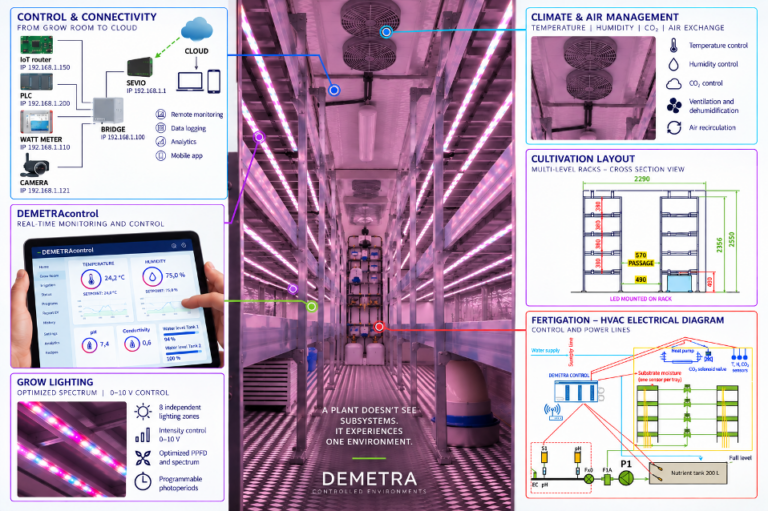
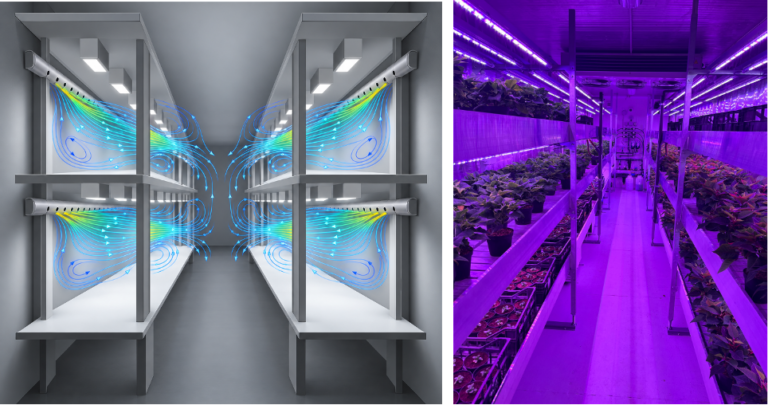
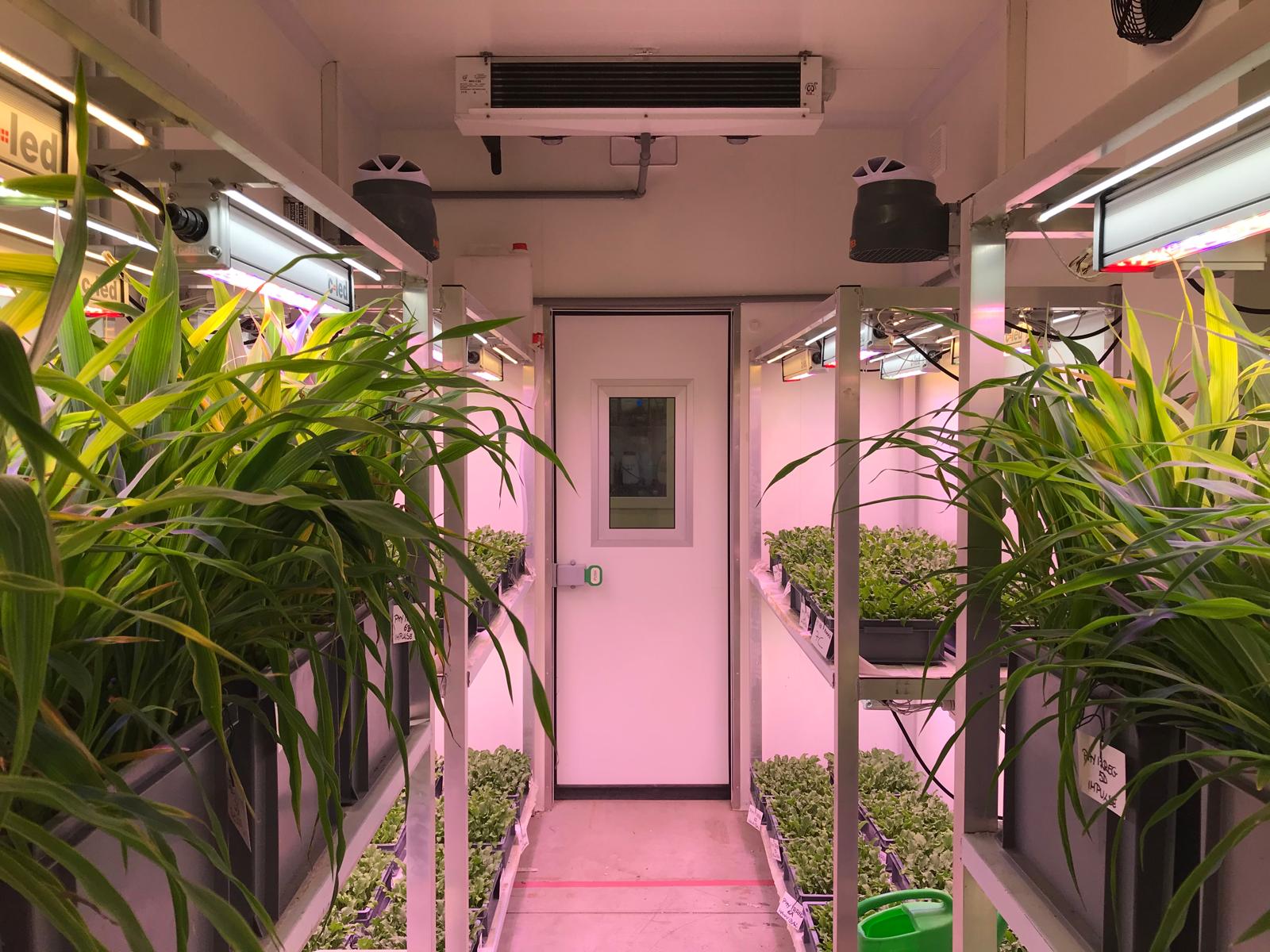
This article illustrates how, in hydroponic cultivation under controlled environmental conditions, the integrated management of light, temperature, CO₂, water and mineral nutrition makes it possible to precisely influence plant physiology, including photosynthesis, vegetative development, plant architecture and the production of secondary metabolites. It presents the systemic approach that guided the development of DEMETRA, GreatIT’s hydroponic container, created through collaboration between the company’s specialists, universities and research centres to translate plant physiology knowledge into practical, measurable and repeatable engineering solutions.
Years of academic experience in plant physiology have allowed us to follow the fascinating evolution of hydroponic systems over the past 20 years.
Plants, as living organisms, are complex systems composed of structures in which biochemical and physiological reactions, together with continuous energy exchanges, take place across membranes. By constantly perceiving their environment, plants adjust their metabolism, growth and morphology in response to the stimuli they receive.
In simplified terms, plants regulate gas exchange with the surrounding atmosphere through their stomata. Fluids move through their tissues, while their roots absorb water and the mineral nutrients dissolved within it. Thanks to light, plants can use CO₂ for photosynthesis and incorporate it into organic molecules, producing new plant biomass, enzymes and other useful compounds.
Water, air and light are therefore closely interconnected through physiological and biochemical processes that must remain in balance.
However, it is important to emphasise that, as living organisms, plants also modify the environment in which they grow. They transpire, releasing large amounts of water vapour; exchange heat and gases with the atmosphere; selectively absorb water and nutrients from the nutrient solution; and progressively alter its pH, electrical conductivity and ionic composition.
Key point: In a controlled-environment hydroponic system, managing these interactions means being able to direct the crop’s response towards a specific objective:
By adjusting the light spectrum and intensity, photoperiod, temperature, humidity, CO₂ concentration, water availability and mineral nutrition, it is also possible to stimulate specific metabolic pathways. Established applications already include the production of secondary metabolites for scientific research, nutraceuticals, pharmaceuticals and other fields.
To obtain repeatable results, every component must be designed in relation to all the others:
This systemic approach guides the development of DEMETRA, GreatIT’s hydroponic container for controlled-environment cultivation.
This short article provides a concise overview of how we work every day with our specialists, collaborate with universities and research centres, and engage with customers to translate a biological objective into a practical engineering solution.
Because controlling the growing environment does not simply mean maintaining a set of parameters. It means applying knowledge of plant physiology to obtain a precise, measurable and repeatable response from the plant—and continuing, project after project, to advance cultivation technology.
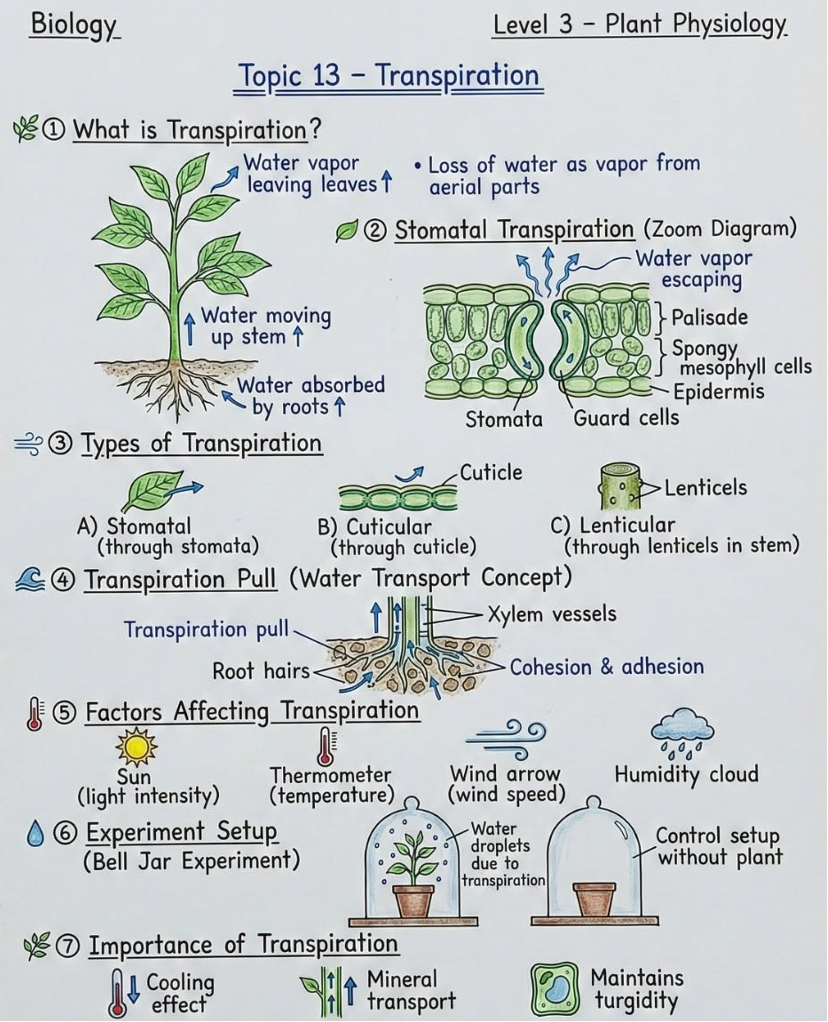
Figure 1: Illustration of leaf transpiration and related processes, sourced from the web.